

Airline Frequent Flyer Programs & Tips

Read our Trust & Transparency Statement
Key Topics:
- What does it mean to be a Frequent Flyer?
- What is a Frequent Flyer Program?
- Types of Frequent Flyer Programs
- Benefits of Frequent Flyer Programs
- Early Boarding
- Fly for Free!
- Enjoy Upgrades
- Preferred Seating
- Lounge Access
- Earning Miles & Elite Status
- Tips for Earning Miles
- 1. Choose wisely
- 2. Don’t spread yourself too thin
- 3. Monitor your accounts
- 4. Get clear about your goals
- 5. Maximize miles with affinity cards
- 6. Leverage Airline Alliances
- 7. Ensure you get the credit you deserve
- FAQ: Airline Frequent Flyer Programs
What does it mean to be a Frequent Flyer?
Being a frequent flyer means more than just traveling often—it's about creating a relationship with the skies and the airlines that get you there. I’ve been flying regularly for years (1 Million Miler on 2 airlines), whether it's for business or to explore new places, and I’ve learned that having a dedicated airline (or a few) can really enhance the experience. For example, I often find myself on the popular routes from New York's JFK to LAX, or from Chicago's O'Hare to Boston's Logan Airport. These routes feel like a second home to me, and being a frequent flyer with a trusted airline makes all the difference.
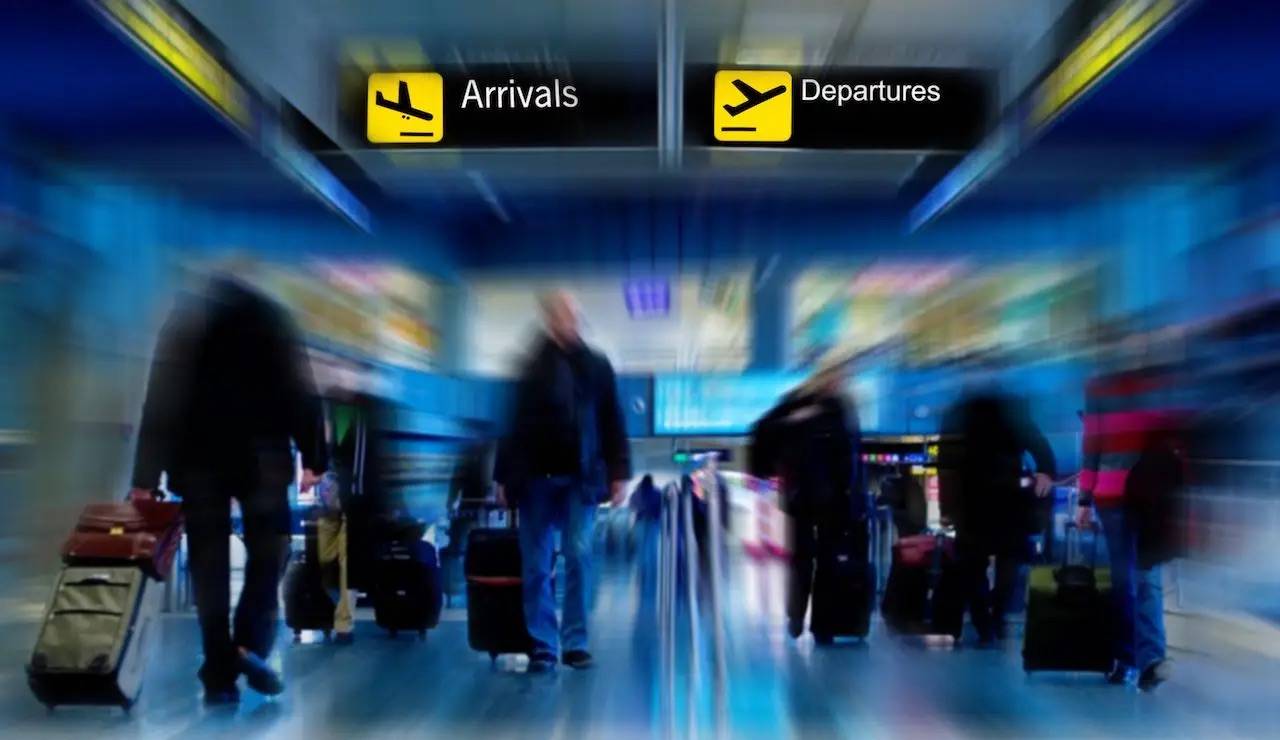
Most frequent flyers, including myself, sign up for loyalty programs to take advantage of the numerous benefits airlines offer in return for our loyalty. If you’re like me and find yourself flying frequently for work or personal reasons, you’re a perfect candidate for these programs. In our continuing series on flying info and help, I’ll share more about how these programs have worked for me...
What is a Frequent Flyer Program?
Over the years, I’ve come to see frequent flyer programs as a key part of my travel routine. A frequent flyer program is essentially a loyalty program that airlines offer to encourage us to accumulate points—often called miles, kilometers, or segments. I’ve earned these points in various ways, from flying to simply using an affiliated credit card. The points can be redeemed for flights, upgrades, and sometimes even for non-flight rewards. It’s like getting a little something extra for every trip you take.
VIDEO:Ever wondered what it's like to be the world's most frequent flyer? Meet Tom Stuker, the man who has racked up an astonishing 23 million miles and counting! In this fascinating video, Tom shares his incredible journey from a work trip to Australia in the 80s to becoming a globe-trotting legend with a United Airlines lifetime flying pass. His tips on snagging early flights, having a plan B, and joining frequent flyer programs have completely transformed the way I travel. Plus, his stories about the friendships he's made along the way are truly heartwarming. Don't miss out on this chance to learn from the best—watch the video and get inspired to take your travel game to new heights!
Types of Frequent Flyer Programs
Through my travels, I’ve encountered different types of frequent flyer programs, each with its own perks. Here’s what I’ve learned about the main types:
Region-Based Programs
These programs were more common when I first started flying. They don’t focus on the distance or cost of your ticket but rather the locations you’re flying between. Although they’re harder to find now, I still encounter them occasionally, particularly on regional flights.
Distance-Based Programs
Distance-based programs are pretty straightforward—they reward you based on the actual distance you fly. I’ve always found these easy to understand, though there are often additional rules regarding the class of service and fare type. It’s nice to know that the farther you go, the more you earn.
Revenue-Based Programs
Most of the airlines I fly with now use revenue-based programs. These programs reward you based on how much you spend on your ticket. It’s a model that’s become the norm, especially with major US airlines. If you’re buying premium tickets, like I sometimes do for business, these programs can really pay off.
READ MORE: What's the difference between a 'Direct Flight' and a 'Non-stop Flight'?
Benefits of Frequent Flyer Programs
One of the reasons I stick with frequent flyer programs is because of the benefits—they truly make a difference in how I experience air travel. Here’s what I appreciate the most:
Early Boarding
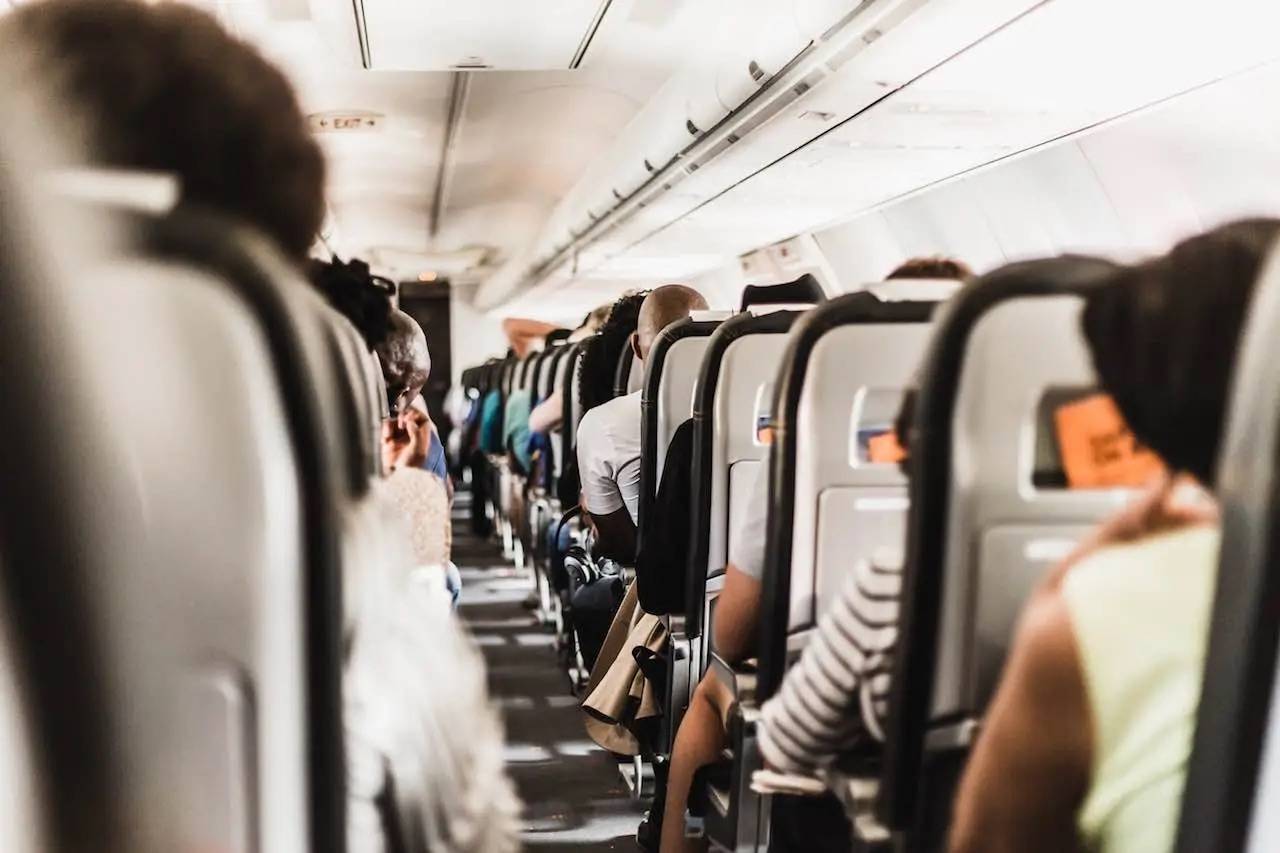
I love being able to board early. It’s a small perk that makes a big difference, especially when I’m carrying a lot of gear for work or just want to settle in quickly. Frequent flyers like myself typically board before most passengers, which helps avoid the overhead bin scramble.
Fly for Free!
Who doesn’t love a free flight? It’s probably the most popular benefit of frequent flyer programs. Over the years, I’ve been able to redeem miles for both short domestic trips and even a few luxurious international ones. It’s satisfying to know that those long hours in the air are paying off in free travel.
Enjoy Upgrades
Upgrades are another perk I’ve come to enjoy. Whether it’s moving to an exit row or being bumped up to a higher class, these small changes can make a big difference on long flights. As an elite member, I also earn annual upgrade certificates, which I always look forward to using.
Preferred Seating
Choosing my seat is something I never take for granted. Frequent flyers often have access to seats that regular passengers can’t book, like those with extra legroom or in more desirable locations on the plane. For me, this is crucial, especially on longer flights where comfort is key.
Lounge Access
After a long flight, having access to an airline lounge is a lifesaver. Depending on my status and the airline, I’m often invited to relax in these lounges during layovers. It’s a much-needed break from the hustle and bustle of the airport.
Earning Miles & Elite Status
Earning miles and reaching elite status isn’t just about flying a lot—it’s about flying smart. I’ve learned that to enjoy elite status benefits, I usually need to fly at least 25,000 miles or complete 30 segments within a year. It sounds like a lot, but if you travel as much as I do, it’s definitely doable. For those who don’t fly as often, it might take a bit longer to save up enough miles for a free flight, but the rewards are worth it.
Tips for Earning Miles
Over the years, I’ve picked up a few strategies for maximizing miles and getting the most out of frequent flyer programs. Here are some tips that have worked well for me:
1. Choose wisely
When it comes to picking a frequent flyer program, it’s important to find one that fits your travel patterns and goals. For me, the best programs are those that offer points for not just flights but also for hotel stays, car rentals, and dining out. It’s like getting rewarded for all the little things I do while traveling.
2. Don’t spread yourself too thin
While it’s tempting to sign up for every program out there, I’ve found it’s more effective to focus on one or two airlines that serve my local airport frequently. This way, I can concentrate my efforts and earn miles faster. Of course, I still join other programs when I fly different carriers—you never know when those miles might come in handy.
3. Monitor your accounts
Keeping track of your frequent flyer accounts is essential. I always make sure to monitor my miles, check for special promotions, and keep an eye on expiration dates. I also hold onto my boarding passes until I see that my miles have been credited, just to be safe.
4. Get clear about your goals
Before choosing a frequent flyer program, it’s important to know what you’re aiming for. Whether it’s earning free flights or achieving elite status for those extra perks, having a clear goal in mind helps you pick the right program. Personally, I’m always looking for ways to elevate my status, so I focus on programs that reward flight activity.
5. Maximize miles with affinity cards
Credit cards that earn miles for everyday purchases are a great way to boost your balance, but they can also be a double-edged sword. I’ve learned to use them wisely, avoiding high interest rates that could negate the benefits. Still, they’ve been a valuable tool in my mileage-earning strategy.
6. Leverage Airline Alliances
Airline alliances have been a game-changer for me. They allow me to earn and redeem miles across different airlines, giving me more flexibility in how I use my points. I usually stick to one program within each alliance to get the best of both worlds.
7. Ensure you get the credit you deserve
I’ve made the mistake before—forgetting to add my frequent flyer number when booking a flight. It’s frustrating, but fortunately, there’s usually a way to fix it at the check-in counter or with a gate agent. Now, I always double-check to make sure I get the miles I’ve earned.
READ MORE: Tips to Avoid Jet lag
FAQ: Airline Frequent Flyer Programs
Find more help here for your journey through the airport