
Travel Abroad

Read our Trust & Transparency Statement
Key Topics:
Traveling abroad has always been a thrilling adventure for me, but I won’t lie—my first time was pretty overwhelming (as were a few after that). It’s not just about packing your bags and staying at a swanky hotel or lounging on a beach. There’s so much more to it, and over the years and countless flights abroad, I’ve learned that careful planning is key to making the most out of any international trip. From ensuring you have all the necessary documentation to picking up a few phrases in the local language, being prepared and open-minded can make all the difference.
Here are a few tips I’ve gathered along the way that might help you, too:
Documentation: Passports & Visas
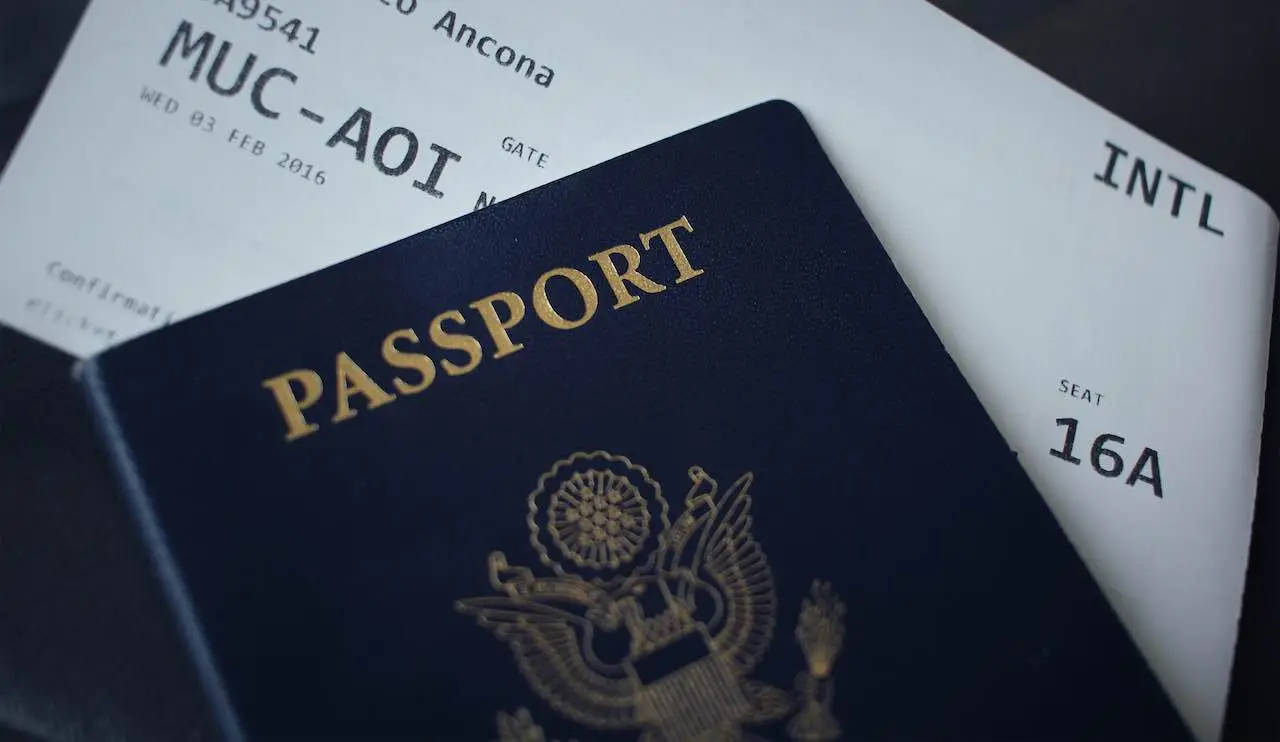
The first thing you’ll need to tackle is getting a passport. I remember the rush of excitement (and a bit of panic) when I first applied for mine. It’s such a crucial piece of ID, and trust me, you don’t want to leave this until the last minute. The U.S. Department of State has specific regulations, so make sure you’re aware of them, especially if you’re traveling to places like Mexico, Canada, or the Caribbean.
Getting a passport can take a few weeks, so start early. You’ll need two passport-sized photos, proof of U.S. citizenship, and a valid form of photo identification. And here’s a tip from my own experience—always check that your passport is valid for at least six months after your planned return date. Some countries are strict about this, and you don’t want to be caught off guard.
VIDEO:Planning an international trip can be overwhelming, but it doesn't have to be! I recently stumbled upon this incredibly helpful video by Ben, and it transformed my travel preparation routine. In just under five minutes, Ben shares essential tips that ensure a smooth and enjoyable journey. Whether you're a seasoned traveler or embarking on your first international adventure, this video is packed with practical advice that will make your trip stress-free. Don't miss out on these invaluable insights—watch the video below and get ready to travel like a pro!
As for visas, I’ve had mixed experiences. Some countries are easy—you just fill out a form upon arrival, pay a small fee, and get an on-arrival visa. But others require you to get a visa before you even leave home. This usually means a trip to the nearest embassy, and the type of visa you need depends on why you’re visiting. Whether it’s for business or leisure, make sure you know what’s required. If you’re headed to Europe, keep up with the latest EU travel rules and your rights as a traveler.
Oh, and don’t forget to make copies (and/or take pics) of all your important documents. I learned that the hard way when I misplaced my itinerary during a trip to Paris—thankfully, I had a copy stashed in my bag!

Travel Insurance and Doctor’s Visit
I’ve always believed in the saying, "Better safe than sorry," and that’s especially true when it comes to health. Before I set off on any trip, I make sure my health insurance covers me abroad. If it doesn’t, I get travel insurance that does. There are plenty of options online, and they’re usually pretty affordable. Plus, many policies offer luggage protection, which has saved me a few headaches over the years.
A visit to your doctor before you travel is another must. I once forgot to get a flu shot before heading to South America, and I paid the price. Some countries require certain vaccinations, and your doctor can advise you on what’s needed. It’s also a good idea to pack some basic medications, just in case.
When it comes to eating and drinking abroad, I’ve learned to be cautious. I always opt for bottled water and stick to reputable restaurants. And don’t forget your sunscreen and insect repellent—these small steps can make a big difference in staying healthy during your trip.
The Journey
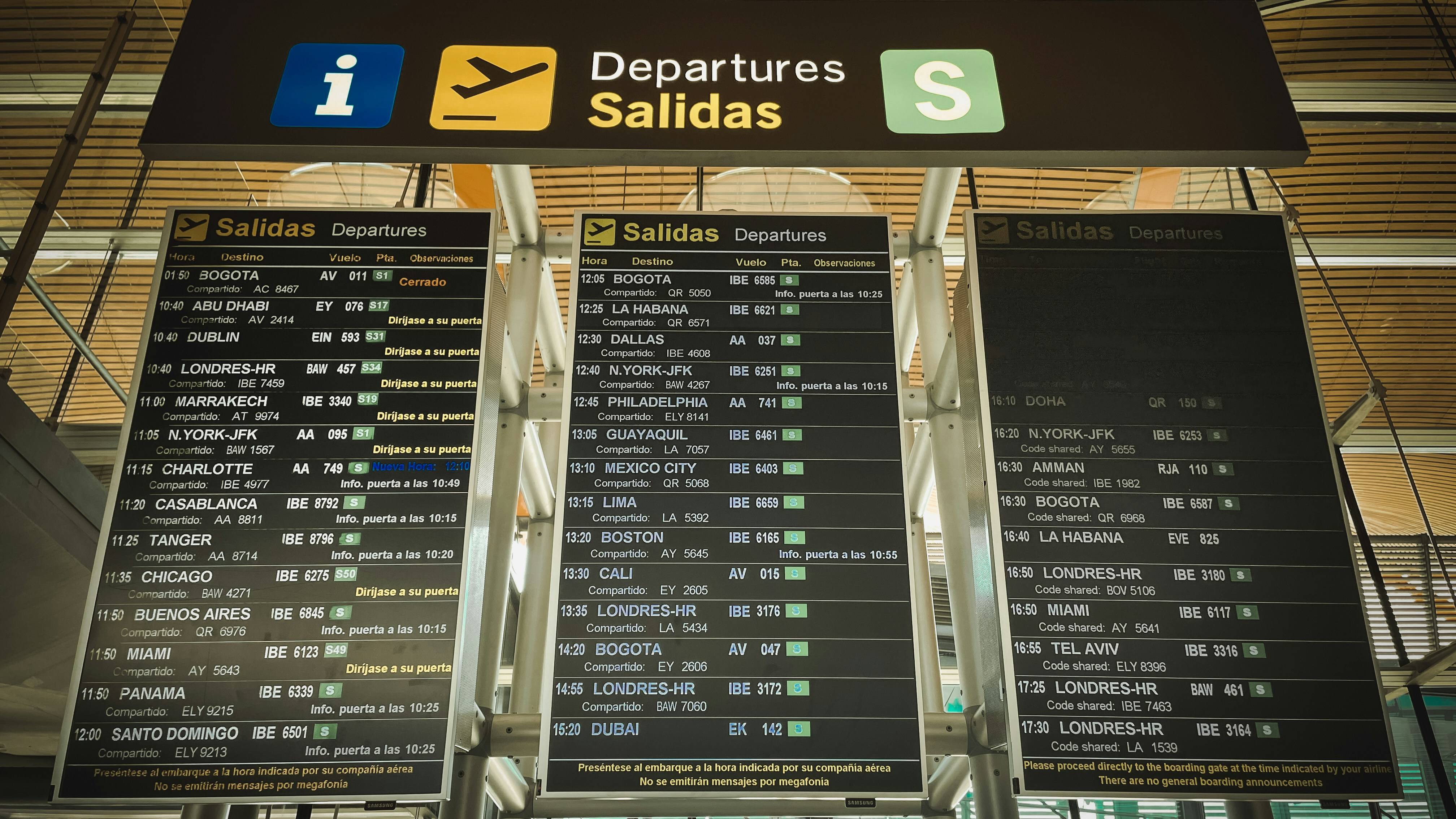
Booking flights can be a bit of a chore, but it’s one of those things you want to get right. I usually stick to well-known airlines that are part of global alliances (love/hate relationship with mileage plans BTW), depending on where I’m headed. I’ve found that flying out of a major hub, like San Francisco SFO or Miami MIA, reduces the chances of missed connections.
Pricing
Searching for flights online has become second nature to me. There are so many options out there, and you can often snag a great deal if you’re flexible with your dates. But if all that searching sounds like too much work, don’t hesitate to hire a travel agent. They’ve saved me a some money over the years, thanks to their access to competitive rates, but I mostly book online.
Comfort and Service
Comfort is something I never compromise on, especially for long-haul flights. I always make sure to choose the right seat—usually a window emergency exit seat for me, so I can stretch my legs and stare out the window. Most international flights offer decent amenities, but it’s worth checking what’s included, especially when it comes to food. More times than I care to admit I ended up rushing through the terminal, passingh up on all those caloric treats, only to have to endure the dreaded airline "food".
Acting Like a Local
One of the best parts of traveling is immersing yourself in the local culture. If you’re like me and unsually don’t know anyone in the country you’re visiting, try to blend in as much as possible. Reading up on with phrases can be a big help. I remember a trip to Japan where translator app helped me navigate everything from ordering food to asking for directions (boy those people are friendly and helpful!).
Planning ahead is crucial. Before I arrive in a new country, I like to have a list of activities I want to do. Whether it’s exploring a local market or hiking in the mountains, having a plan ensures I make the most of my time. Especially when it comes to relying on public transportation. Speaking of which...
Transportation is another key consideration. I’ve traveled by bus, train, and rental car (and donkey, and motorcycle, and tuk-tuk), and each has its pros and cons. In Europe, for example, the train system is fantastic, and you can often get discounted passes if you book in advance. Do your research and choose the option that works best for you.
Bon Voyage!
Now that you’re armed with all this travel wisdom, it’s time to get out there and see the world! Choose your destination wisely, considering the weather and activities available. I always try to avoid overcrowded areas to really soak in the experience. The off-the beaten path offers deeper dives into the peoples and their culture.
Before you leave, check the weather and pack accordingly. I’ve had my fair share of surprises, like crazy-big hail in Milan, so now I always pack an micro-light umbrella. And if you’re headed somewhere cold, bring plenty of layers—you don’t want to spend your trip battling the flu.
Most importantly, have an amazing time. Travel is about making memories, so go well-prepared and enjoy every moment!
Upon Your Return
When I get back to the U.S., I always appreciate the efficiency of the Global Entry program. If you haven’t applied yet, I highly recommend it—it’s a real time-saver at customs, allowing you to skip the long lines and head straight for those special kiosks.
FAQ: Travel Abroad
Find more help here for your journey through the airport