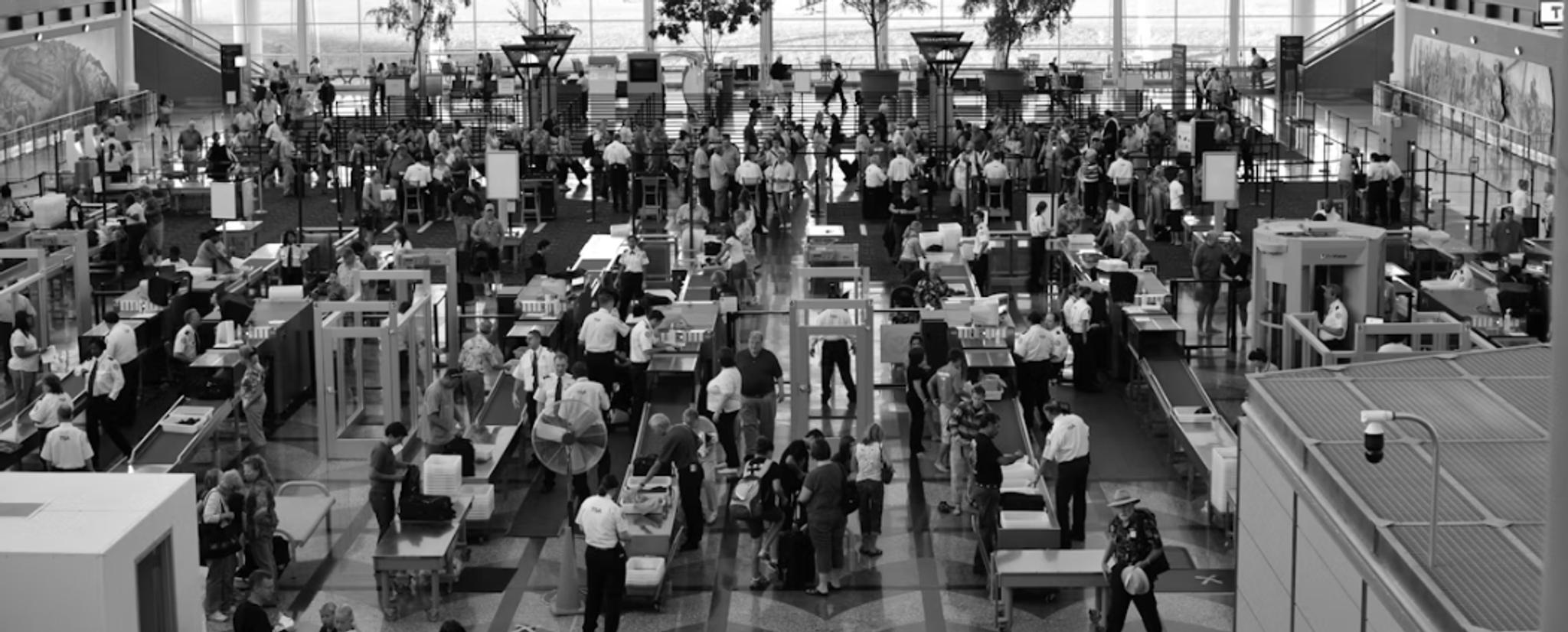

Airport Security: Pass Security Checkpoints Faster!
Being a seasoned flyer, I've learned a few things over the years that I've adopted when dealing with airport security. While the government and airport authorities seem to make getting through airports a hassle with all the security measures, we passengers can also play a role in preparing so that things go as smooth as possible.
On this page, I'll share tips that have helped me reduce wait times at security checkpoints.
Update: Non-stop flights entering the U.S.:
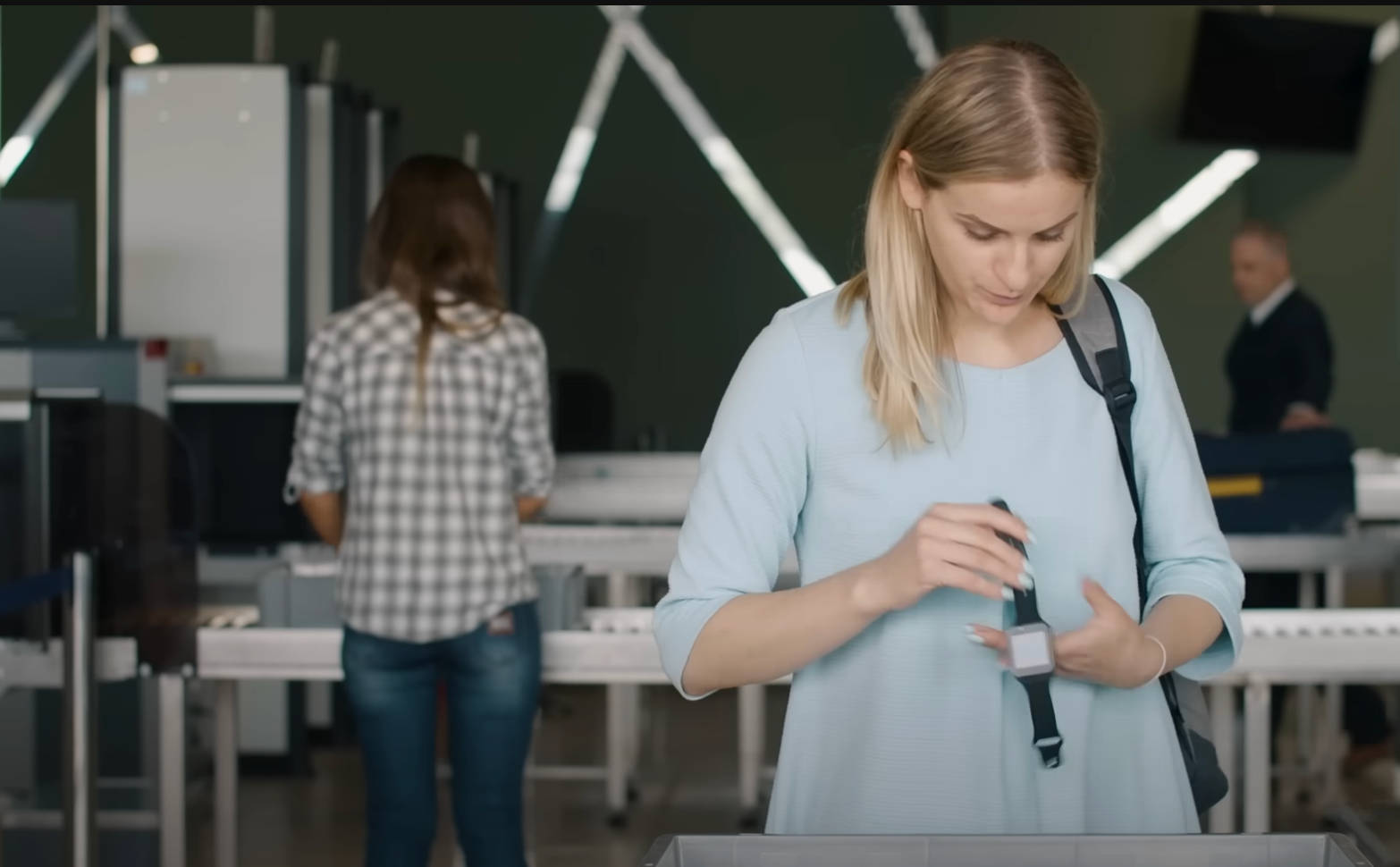
Extra security checks now require that you demonstrate your electronic devices are in working order - so, make sure to charge all your electronic devices before you arrive.
Also, consider the Global Entry Program for expedited processing when traveling to the U.S. from abroad. It's been a real time-saver for me.
At Home: Before you Leave for the Airport
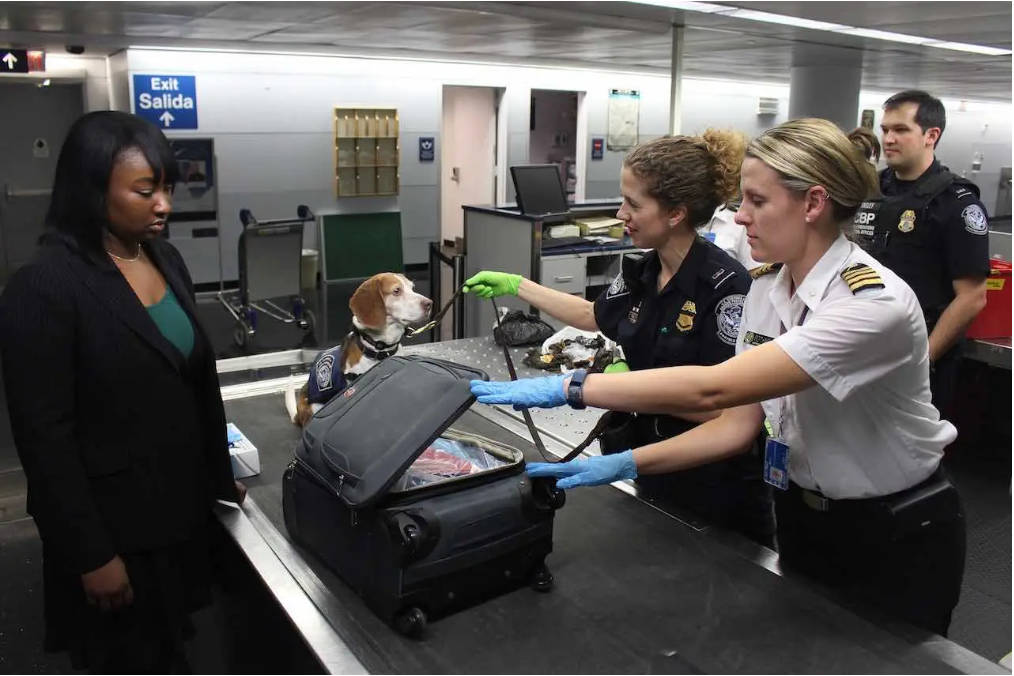
Gone are the days when you could arrive at the airport at the last minute, share goodbye kisses with loved ones, and have friendly chats with your pilot as you board. Airport security has evolved significantly, impacting major hubs like LAX and Orlando MCO, as well as smaller airports like San Jose & Las Vegas LAS.
Before you leave for the airport, ensure you're carrying the right clothing and amenities. I always follow a strategy to save time as I make my way through long queues.
Wearing simple, loose clothing has made me feel more comfortable while flying. Avoid carrying metal ornaments like belt buckles (except aluminum ones) or jewelry, as these items will be removed at security checkpoints.
So, how do you transport metal objects through security? I place my keys, loose change, and other metal items in a container or plastic bag before arriving at the airport. This has streamlined my check-in process significantly.
Airport safety officers, like TSA agents, randomly check everything you carry. They want to ensure you don’t carry anything that could be unsafe for you or other passengers.
If your luggage is locked, security personnel have the right to break the lock for inspection. To avoid this, I use a TSA-recognized locking mechanism, which only the TSA can open.
For international travel, your luggage locks might still be broken by security officers. There are specific rules for packing checked baggage. For instance, pack sporting equipment, even knives and swords, but avoid explosive and flammable objects. Alcohol is also considered combustible, so think twice before carrying a bottle of wine while traveling.
Since restrictions and rules keep changing, always check the Transportation Security Administration’s website for updates before you travel.
VIDEO:Ever wondered how you managed to breeze through airport security with a bottle of water in your bag? I did too, and it led me down a fascinating rabbit hole of new technologies that are revolutionizing airport security. In this video, you'll discover how advanced CT scanners are making our travel experience faster and safer by accurately differentiating between safe and dangerous materials. Trust me, after watching this, you'll appreciate the science behind these small yet impactful improvements. Click play to find out why airport security suddenly got better!
Security Rules for Passengers
- Do NOT pack or bring prohibited items to the airport. Visit http://www.tsa.gov/traveler-information for a complete list.
- Leave gifts unwrapped. They may be opened for inspection.
- Avoid wearing clothing, jewelry, and accessories that contain metal. Metal items may set off the alarm on the metal detector.
- Avoid excess. Carry-on baggage is limited to one carry-on bag plus one personal item. Personal items include laptops, purses, small backpacks, briefcases, or camera cases. Remember, 1+1.
- Place identification tags in and on all of your baggage. Don’t forget your laptop computer.
When packing your carry-on luggage, make sure you layer your items. A neat layer of clothing, electronics, more clothing, and any heavier items makes it easier for the x-ray technician to check them properly.
It's important because if you throw everything in thoughtlessly, items like a charging unit and cell phone may seem like possible threats in the x-ray machine.
Avoid packing larger or heavier electronic items like video equipment, (ie GoPros etc) and laptops in your carry-on. If you must carry these items, the security officer might ask you to remove them from your carry-on for x-ray screening.
Pack all liquids of approved size in a 1-quart clear plastic zip-top bag and ensure the lids are on correctly. This prevents spills inside your carry-on and helps the technician see what liquids you are carrying.
Be prepared for delays by arriving early, especially if you're traveling with young children or a disabled person. Most airlines suggest arriving one to two hours before departure.
Make sure you have the right airport ID. The Transportation Security Administration (TSA) requires identification to get through airport security and board the aircraft.
Government-issued identification is best, such as a driver's license or military ID. Some airlines also require children to have identification, such as a birth certificate. Check with your specific airline to be sure. It's also wise to check children air travel requirements to be certain.
Avoid delays by not packing your bag too tightly, allowing personnel to easily search or x-ray it. Always keep your ID and boarding pass handy, wear shoes that can easily be taken off, and be ready to show that any electronic device works. Don’t have a computer with a dead battery.
Although the TSA has a list of federal regulations, airport security varies depending on the airport and the airline. Do your research before you travel.
Gaining Elite Status with your frequent flyer miles program can be very beneficial. Elite members enjoy a quicker check-in process and are allowed to board the plane first.
What to Pack in Your Carry-On Bag
- Toiletries/Liquids: Pack in containers that are 3.4 ounces or smaller. Pack the container in a quart-size bag (more on this later).
- Hand sanitizer: TSA allows each passenger to bring one liquid hand sanitizer up to 12 oz.
- Medications: All kinds of medications are allowed in larger amounts. Declare them to the TSA officers for inspection at the security checkpoint. Medications should be labeled to avoid being questioned by the security officer.
- Formula, breast milk, and juice: These items are exempt from the TSA Liquids Rule and must be screened separately.
- Food/Snacks: These items are allowed if they’re not in liquid, cream, or gel form.
- Electronics: Tablets, laptops, power banks, cameras, and other electronic devices are allowed in both checked bags and carry-on. Pack these items in your carry-on so you don’t lose them.
- Disposable Razors: These razors come in two types. The first is completely disposable (handle and all) while the other has replaceable cartridges. Both are allowed in carry-on luggage with the blade and replacement cartridges.
- Crochet/Knitting Needles: TSA allows carrying knitting needles and crochet hooks of different materials and sizes in carry-on and checked bags. Wrap them securely.
- Powders: TSA allows powders that are 12 ounces or less in carry-on bags. Larger amounts undergo separate screening or will be disposed of.
- Aerosol Sprays: Like liquids, gels, and aerosols are safe to bring aboard aircraft if stored in 3.4-ounce containers. These containers should be sealed in a 1-quart, clear plastic, zip-top bag. Aerosols labeled as hazardous material are strictly prohibited in carry-on or checked luggage.
Avoid these common mistakes passengers make at checkpoints!
What You Cannot Bring in Your Carry-On?
- Liquids larger than 3.4 ounces
- Sharp objects like box cutters, knives, ice picks, swords, meat cleavers, and scissors
- Sports equipment
- Wrapped gift items
At the Airport - Getting through the screening process
Keep two things with you from the time you enter the airport to the time you board your flight:
- A current photo ID
- Your boarding pass (printed or open on your phone)
Typically, you'll be asked to show both items at the security gates (sometimes more than once) and again as you board. Keep them handy at all times.
Security lines can be long, especially during peak travel times such as holidays. Plan on arriving at least two hours before your flight departs.
Airlines recommend arriving three hours before international departures. To speed up the process, most airlines allow you to print your boarding pass at home so you can proceed directly to security.
Once in the security lines, keep them moving quickly by removing coats and shoes ahead of time and placing jewelry, change, and keys inside your carry-on. As you hit the front of the lines, you can expect an x-ray for all carry-on items and a trip through the metal detector.
Also, note that you could be randomly chosen for a pat-down search. This should be conducted by a screener of the same gender, and you have the option to request a private room if additional screening is needed.
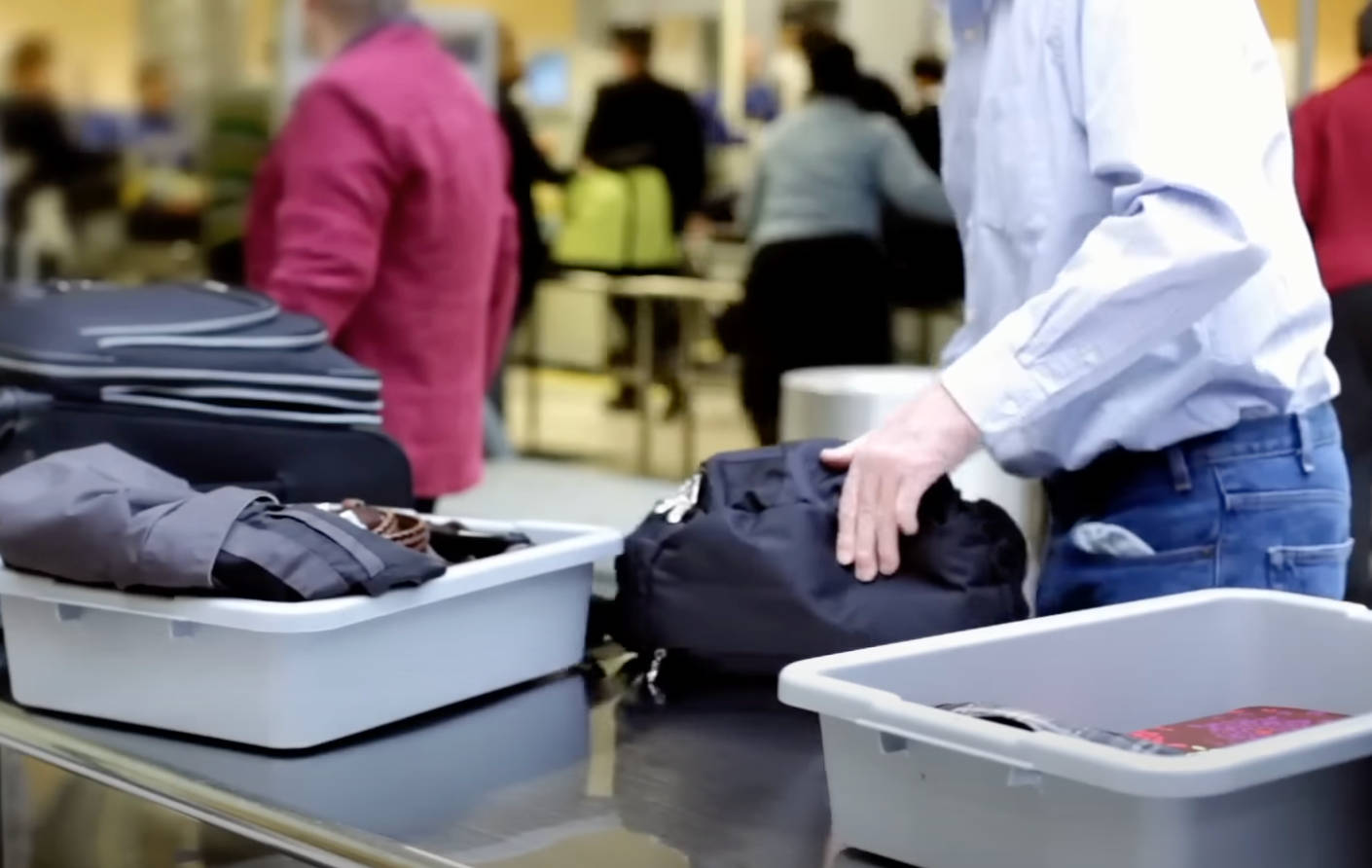
Do’s & Don’ts of Security at the Airport
- Do NOT bring drinks or other liquids to the airport checkpoint unless they are approved and permissible items to fly.
- Do NOT bring food to the checkpoint unless it is wrapped or in a container. Unpeeled natural foods like fruit are okay, but may be confiscated depending on the routing.
- Put all metal items in your carry-on bag. This includes jewelry, loose change, keys, mobile phones, pagers, and personal data assistants (PDAs).
- Take OUT your laptop computer. Place it in a bin, separate from its carrying case.
- Take OFF your outer coat. Place it in a bin. Suit jackets and blazers do not have to be removed unless requested by the screener.
- Wear slip-on shoes to avoid extra time spent unlacing stubborn shoes or boots.
- Remove children from car seats and strollers, and pets from carriers. The carrying devices will be scanned with the x-ray machine separately.
- Have a proper ID and your boarding pass easily accessible.
- Refrain from cell phone use while at the security point. This allows you to pay full attention to the officers’ requests and the environment around you.
Complying with airport safety guidelines can seem like an invasion of privacy. Be sure not to act scared or nervous by security measures you are unfamiliar with. It's likely you'll encounter military personnel, bomb-sniffing dogs, or be checked for explosive residue on your clothing. Always remain calm and know it’s part of the process.
If you're chosen by airport safety personnel to step aside for extra attention, don't be upset.
Most of these searches are random and do not mean you've triggered any suspicion. If you feel unfairly singled out, visit AirSafe.com for resources on filing complaints with the Department of Transportation.
Final Tips
Do you have any questions about these procedures or airport security? Call the TSA Consumer Response Center toll-free at 1-866-289-9673, Monday - Friday between 8 am-6 pm (24-hour voicemail). You may also email TSA at TellTSA@tsa.dot.gov.
Once you’ve made it through the gates, you can relax and grab a coffee while you wait for your flight, but remember, you can't take it (or any liquids) with you on board!
REMEMBER: Security Officers have the authority to determine if an item could be used as a weapon and may not allow said item to pass through checkpoints.
FAQ: Airport Security Tips
Find more help here for your journey through the airport