Loading...



Read our Trust & Transparency Statement
Key Topics:
Every journey I’ve taken begins and ends at an airport, those air travel hubs where anticipation and nostalgia mix as people set off on adventures or return home. Whether I’m anxiously waiting for the arrival of a loved one or eagerly counting down the minutes until my own departure, I've learned that understanding the ins and outs of airport arrivals and departures can make things go way smoother than just stumbling around. In this guide, I’ll walk you through how to check your flight status, understand the differences between departure and arrival gates, and unravel the intriguing process of how airports determine gate assignments.

Search any airport to see status, amenities, and travel information.
Airport status is only available for US airports
Before I even think about leaving for the airport, I always make sure to confirm my flight status. After all, schedules can shift due to weather, air traffic, or even unexpected mechanical hiccups. Here’s what I’ve found works best:
Most airlines have really streamlined their online presence. Whenever I book a flight, I use the airline’s website or mobile app to not only manage my booking but to keep an eye on my flight status as the day approaches. These platforms are user-friendly and offer real-time updates on departure and arrival times, gate numbers, and any delays. You can also get the same info right here on iFly, by using the Flight Status widget right on this page :)
VIDEO:Are you feeling overwhelmed about your upcoming flight? Whether it's your first time at an airport or your first time in a while, Ben's comprehensive guide will walk you through every step of the process—from booking your ticket to landing at your destination. I remember feeling incredibly anxious about my first solo trip, but this video broke everything down in such a clear and reassuring way that I felt completely prepared. Trust me, this guide is a game-changer. Watch the video below and embark on your journey with confidence!
For a more detailed overview, I sometimes turn to flight tracking websites. These sites allow me to enter my flight number and get real-time updates on everything from departure times to delays and cancellations. It's a comfort to see my flight's progress, especially when I’m coordinating tight connections.
Once I’m at the airport, I’ve learned not to rely solely on my phone. Information displays located throughout the terminals are constantly updated and can be key when gate assignments change at the last minute. Trust me, those screens have saved me from missing a flight more than once.

Understanding the differences between departure and arrival gates has made my airport experience much smoother:
This is where the journey really starts to feel real. After checking in, going through security, and finally making it to my gate, I always take a moment to relax and soak in the anticipation. Departure gates are equipped with seating areas, boarding counters, and sometimes, much-needed charging stations. It's a good idea to arrive at the gate with plenty of time to spare, especially since boarding can start sooner than you think.
On the flip side, arrival gates mark the end of a journey. When the plane lands and we taxi to the gate, I’m always eager to grab my bags from th eoverhead bins and bolt out. I’ve noticed that arrival gates are "sometimes" located close to the baggage claim area, which when they are is super convenient after a long flight.
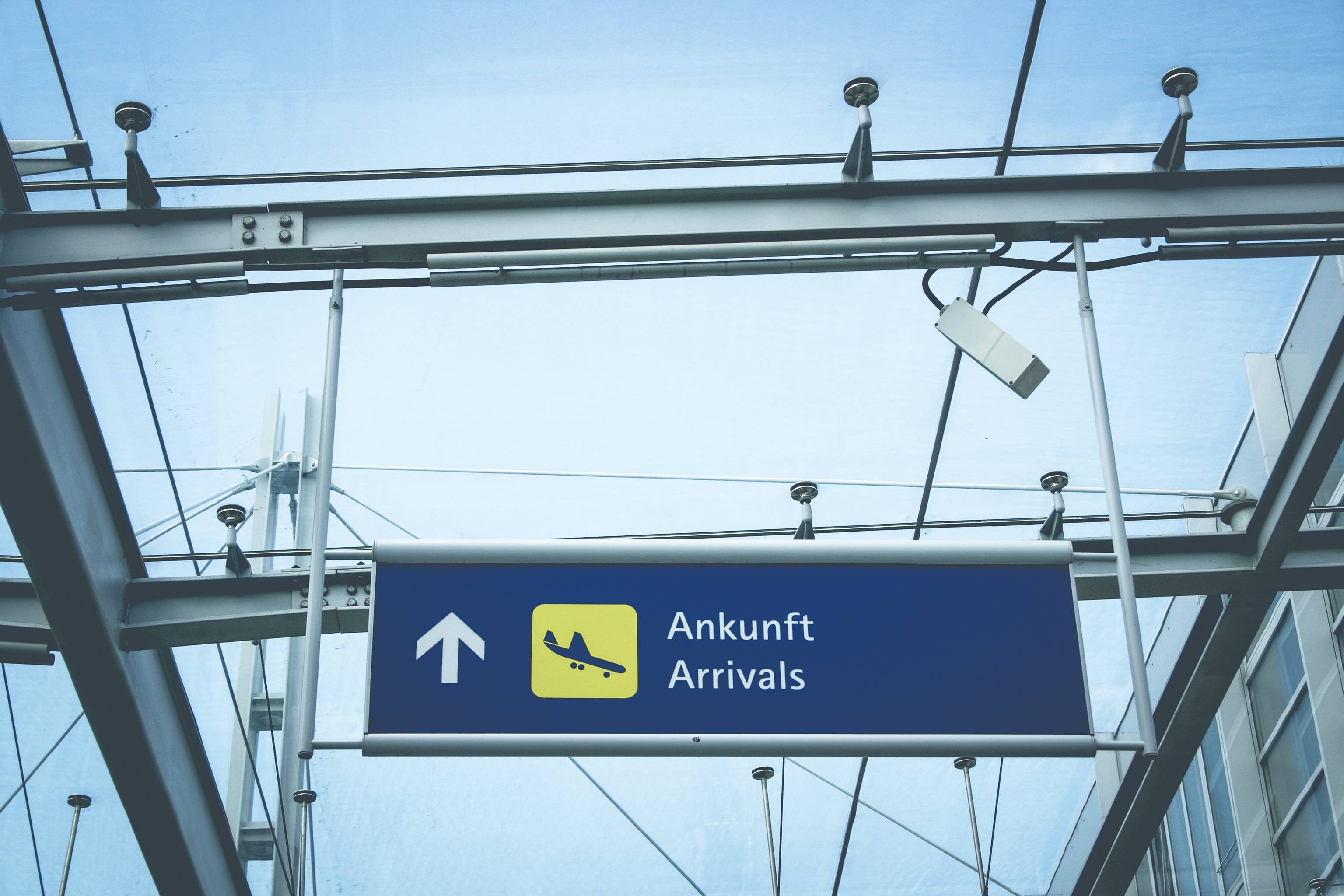
Real-Time Flight Status
I’ve always been stupefied how airports determine gate assignments—it's a complex process that’s as much art as it is science:
Larger planes, like those used for international flights, need more space, so they’re assigned to gates with more room and better amenities. I’ve noticed that smaller planes, like the ones used for regional flights, often get tucked away at the smaller gates.
Airports are busy places, and managing the flow of flights is crucial. I’ve seen how airports juggle gate assignments based on how many flights and passengers are expected at any given time. It’s a delicate balance that can make or break a smooth travel experience.
When I have a connecting flight, I always appreciate when the gates are close together. Airports do their best to assign gates that make it easier to transfer between flights, but its a constant struggle and there's really not much a carrier (or the airport) can do..
Sometimes, gate assignments are based on the need for maintenance or specific services for the aircraft. I’ve experienced a few delays because the plane needed a specific type of maintenance that could only be done at certain gates.
Next time you’re at the airport, take a moment to appreciate the intricate dance of arrivals and departures happening all around you. By checking your flight status, understanding the differences between departure and arrival gates, and learning about the factors that influence gate assignments, you’ll not only enhance your travel experience but also gain a deeper appreciation for the complex orchestration that keeps everything running smoothly. For me, airports have become more than just transit points—they’re gateways to countless adventures, each with its own story to tell.
